
Facelift for Men
What is a men’s facelift (male facelift surgery)?
You want your face to look as energetic as you feel. For a men’s facelift, patients from Seattle and across the Eastside come to our Bellevue office to see cosmetic surgeon Dr. Alex Sobel. A facelift for men, also called male facelift surgery or rhytidectomy, lifts and tightens the deeper tissues of the lower face and neck and removes extra skin. It can restore a smoother, firmer, better defined jawline.
Dr. Sobel is triple board-certified in general cosmetic surgery, facial cosmetic surgery, and otolaryngology-facial plastic surgery, and he is a past president of the American Board of Cosmetic Surgery. Our page on facelift surgery covers the procedure for all patients.
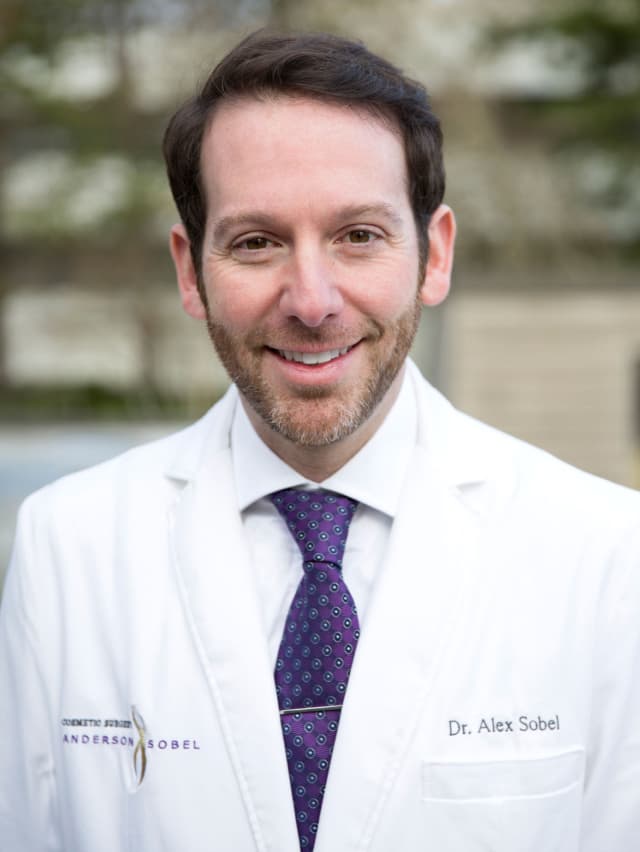
- Triple board-certified in general cosmetic surgery, facial cosmetic surgery, and otolaryngology-facial plastic surgery
- 15+ years of experience specializing in cosmetic surgery
- Operates in an on-site accredited surgical suite for patient safety and privacy
- National leader in cosmetic surgery, including as Past President of the American Board of Cosmetic Surgery and the American Academy of Cosmetic Surgery, and as an expert speaker at medical conferences
- Former Seattle Met Top Doctor with hundreds of 5-star patient reviews
Why do men consider a facelift?
We get it: the decision to have cosmetic surgery is personal, and the process can seem daunting. As we get older, skin loses elasticity and our faces lose youthful volume, which leads to sagging and jowls (loose skin along the jawline) in the lower and mid-face. Male facelift procedures have increased 20% over the last two decades, and wanting your face to keep pace with how you feel is among the reasons patients consider one. Dr. Sobel aims for natural, personalized results that help you feel confident in how you look.
What makes a facelift for men different?
The anatomy of the male face is unique from a woman’s and calls for a knowledgeable approach. In Dr. Sobel’s experience, men tend to have thicker skin, and he places the surgical openings (incisions) so he can remove excess skin and tighten the underlying tissues without disturbing your natural beard line. Board certified Bellevue cosmetic surgeon Dr. Alex Sobel plans each facelift around your own face, to help your result look natural and keep your masculine features.

Is a facelift the right option for me?
You may be a good candidate for a men’s facelift if you:
- have loose skin along your jawline or under your chin that you can pinch and pull away from your face and neck
- have jowls or deep folds along the sides of your nose or mouth
- have moderate to severe sagging in your cheeks
- have a stable weight and no uncontrolled health conditions, such as poorly controlled diabetes or high blood pressure
- are a non-smoker, or are willing to stay off all nicotine before and after surgery
A facelift works on the lower two thirds of the face, the cheeks and jawline. If a sagging brow or drooping eyelids bother you most, an eyelid or brow procedure may fit your goals better. If lost facial fullness (volume loss) is the main concern, injectable fillers or fat transfer (moving your own fat into the face) may suit you better. During your private consultation at our Bellevue practice, Dr. Sobel will evaluate your concerns and discuss the options that will best achieve your goals.
Men’s facelift techniques: from mini to deep plane
No single facelift suits everyone. Dr. Sobel tailors each one to the concerns that show most when you look in the mirror, from mild jowling to a heavier neck. Surgeons use three main approaches.
Mini facelift
A mini facelift is a lighter lift of the lower face and jawline. It uses shorter incisions, typically along the hairline above each ear and/or in the natural creases around the ear, and it often suits mild jowling.
SMAS facelift
A SMAS facelift lifts and tightens the supportive layer beneath the skin, known as the SMAS (superficial musculoaponeurotic system). It is the standard approach for moderate to advanced sagging in the mid-face and neck.
Deep plane facelift
A deep plane facelift lifts the tissues beneath that layer, including the muscles, and can reposition fat pads in the cheeks. Lifting only the skin pulls the outer corner of the eye upward, which Dr. Sobel says “never looks natural.” In a deep plane lift, the supporting ligaments can be repositioned without lifting the outer corner of the eye. A heavier neck may call for a deep plane facelift. A neck that has always been sculpted but now shows muscle bands, lines and mild loose skin may need only a mini facelift.
About facelift surgery for men in Seattle
Dr. Sobel performs facelift surgery in his private, accredited surgical suite, and you may be driven home the same day by a family member or friend. You choose the level of comfort that suits you: numbing medicine (local anesthesia), relaxing medication given through a vein (IV sedation), or general anesthesia, which puts you fully to sleep. Dr. Sobel also performs awake facelifts, since general anesthesia is not required when you are thoroughly numb.
A traditional facelift incision starts in the hairline at the temples, runs around the front of the ear and ends behind the ear in the lower scalp. Dr. Sobel places yours in the natural skin folds in front of and behind the ear. Through these incisions, he separates the skin from the underlying tissues, lifts and tightens them, then replaces the skin with natural tension and removes any excess, without over-tightening it.

“Facelift & necklift superb!!! Look 15 years younger!”
Matching the lift to your concerns
| What you notice | Approach that may fit |
|---|---|
| Mild jowling and loose skin along the jawline | Mini facelift |
| Moderate to advanced sagging in the mid-face and neck | SMAS facelift |
| A heavier neck | Deep plane facelift |
| Sagging mainly in the cheeks and the folds beside the nose | Mid-face lift, a lift focused on the cheeks |
| A heavy brow or drooping eyelids | An eyelid lift or brow lift, alone or with a facelift |
| Lost volume is the main concern | Fillers or fat transfer |
Recovery time after male facelift surgery
Recovery from a facelift is mostly about when you feel comfortable being seen. Dr. Sobel uses tumescent technique (injecting a large volume of dilute numbing solution) along with the level of sedation you choose, for comfort during and after surgery. Your dressings come off at a follow-up visit in one to two days.
Dr. Sobel’s patients typically follow this timeline:
- The first few days: Most patients are off narcotic medication within 72 hours. You can drive again after three or four days, once you no longer take that medication and can turn your head to check your blind spots.
- The first week: Swelling and bruising increase daily for the first several days and begin to ease around the fifth day. By about one week, most patients have little left, and your stitches (sutures) come out between five and ten days after surgery. Swelling and bruising are difficult to notice after about 10 to 14 days.
- Back to work and social plans: Some patients return to work in three to four days. If you would rather not share your bruising and stitches with colleagues, plan on a couple of weeks at home before going back out.
- Beyond two weeks: Numbness can last for several weeks or months. Protect your face with a wide-brimmed hat and sunscreen while you heal.
Your facelift results
A men’s facelift can give your lower face, jawline and neck a firmer, more youthful look in harmony with the rest of your face. Your results can look great within two to four months, and they are not final for up to one year. Individual results vary with your age, skin and healing. Touch-ups with non-surgical treatments, such as BOTOX and filler injections, can help maintain your results.
Dr. Alexander Sobel uses refined techniques and tailors every aspect of your procedure for natural, personalized results.

Combining your facelift with other procedures
A facelift does not reach the upper face, so Dr. Sobel may combine it with a brow lift or an eyelid lift for men. He often recommends chin implants for men along with a facelift when sagging skin around the jaw and neck comes with a smaller chin. Combining procedures means one recovery instead of several, and Dr. Sobel puts safety ahead of convenience, because there is a limit to how much surgery is safe in one day.
The facelift addresses the sagging, and injectable treatments take care of lines and lost volume. Dr. Sobel performs all injectable treatments himself, including fillers for men.
- Key Benefits
- Glossary
- Firmer Jawline and Neck: A facelift can tighten loose skin and deeper tissues along the jawline and neck.
- Softer Jowls and Folds: Lifting the tissues beneath the skin can reduce jowls and smooth deep folds beside the nose and mouth.
- More Self-Confidence: Patients frequently feel more self-confident when their appearance better reflects their health and energy.
- Natural-Looking Results: A technique that avoids over-tightening the skin helps your result look natural.
- A Plan Built for Your Face: Dr. Sobel chooses among mini, SMAS and deep plane techniques based on your concerns.
- Brow lift: a procedure that raises the brow and smooths the forehead.
- Deep plane facelift: a technique that lifts deeper layers of tissue beneath the skin, including the muscles.
- Dermal fillers: injectable treatments that restore lost volume and smooth lines and folds.
- Eyelid lift (blepharoplasty): a procedure that removes excess skin and fat from the eyelids.
- Facelift (rhytidectomy): a surgical procedure that lifts and tightens the skin and deeper tissues of the lower face and neck.
- Fat transfer: moving fat from one area of the body into the face to restore volume and contour.
- General anesthesia: medication that puts you in a controlled state of sleep so you feel nothing during surgery.
- Hematoma: a collection of blood outside the blood vessels, often after injury or surgery.
- Incision: an opening the surgeon makes in the skin during surgery.
- IV sedation: relaxing medicine delivered through a vein, often paired with local anesthesia.
- Jowls: sagging skin along the jawline and lower face.
- Local anesthesia: numbing medicine that blocks feeling in one area of the body.
- Mid-face lift: a less invasive lift that focuses on the cheeks and the folds beside the nose.
- Mini facelift: a less invasive facelift that targets the lower face and jawline through smaller incisions.
- Nerve injury: damage to a nerve that can affect feeling or muscle movement. It may be brief or lasting.
- SMAS (superficial musculoaponeurotic system): a layer of tissue beneath the skin that is often repositioned during a facelift.
- Sutures: stitches that close an incision.
- Tumescent technique: injecting a large volume of dilute local anesthetic to limit blood loss and keep you comfortable.
- Volume loss: the loss of facial fullness with age, often treated with fat transfer or fillers.
Frequently asked questions about facelifts for men
Trust your appearance to an experienced facelift surgeon
Dr. Alex Sobel is board certified by the American Board of Cosmetic Surgery, the American Board of Facial Cosmetic Surgery, and the American Osteopathic Board of Otolaryngology – Head and Neck Surgery, and he is a past president of the first two boards and of the American Academy of Cosmetic Surgery. He received the William K. Miles, M.D. Award for the top score on the written cosmetic surgery board exam, trains other cosmetic surgeons through his fellowship program, was voted a Top Doctor in Seattle Met’s 2018 Top Doctor awards, and performs surgery in the practice’s private, accredited surgical suite.
Dr. Sobel would love to sit down with you for a personalized consultation. He’ll learn your aesthetic goals and recommend the facelift approach that fits your face. He’ll also show you where your scars will sit, so you know what to expect. Call (425) 453-9060 to schedule.


Areas served for men’s facelift
Patients come to our Bellevue office for a men’s facelift from Seattle, Kirkland, Redmond and across the Eastside.
References »
- American Board of Cosmetic Surgery. “Facelift Surgery.” https://www.americanboardcosmeticsurgery.org/cosmetic-procedures/face/facelift-surgery/
- Mayo Clinic. “Face-lift.” https://www.mayoclinic.org/tests-procedures/face-lift/about/pac-20394059

Medically reviewed by Dr. Alexander Sobel — Updated on Nov 13, 2026