Why Facial Anatomy Knowledge Matters for Beautiful Filler Outcomes
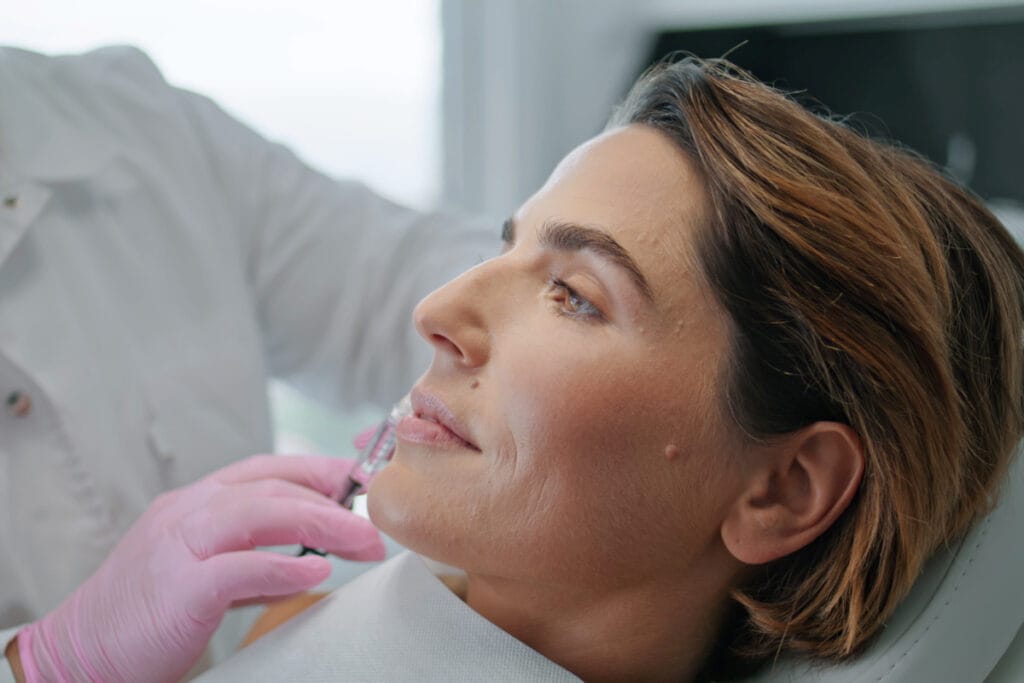
Fillers, injectable fillers, and cosmetic surgery are incredibly nuanced in their nature and effects, which is why choosing the right approach and placement is so critical. This complexity isn’t just about each filler’s chemical and physical properties, or how they interact with different tissues. Rather, it arises from facial anatomy itself—which involves far more than just knowing where various structures are located. It’s about understanding how these structures work together dynamically, what each one does, and how much they can vary from one person to another.
Why Your Anatomy Matters
To illustrate this complexity, let’s talk about fascia—a thin but incredibly strong connective tissue that works like nature’s version of plastic wrap. Fascia wraps around and separates your muscle and tissue compartments, keeping everything structurally sound and functioning properly. However, fascia can vary dramatically from person to person in its thickness, strength, and how it behaves with the structures around it.
Beautiful filler injections arise from understanding how facial structures work together dynamically, and how they can vary from person to person.
Cellulite is actually a helpful example of this variability. Cellulite happens when fascia tethers your muscle layers directly to your skin, creating that dimpled texture. This shows us why one-size-fits-all approaches don’t work in cosmetic procedures. While we can rely on certain anatomical patterns as a guide, understanding each person’s unique anatomy makes the difference between a beautiful result and a disappointing one.
The Tear Trough: When “Simple” Gets Complicated
The tear trough—that hollow area beneath your eyes—is a perfect example of why expertise matters. This feature has long been seen as a telltale sign of aging, showing up as a depression under the eyes. It might seem straightforward to just fill in that hollow, but there’s much more to consider.
The tear trough looks more pronounced with age because of what’s happening in the surrounding areas: bags in the lower eyelids, weakening support from the cheek tissues below, thinner skin, reduced elasticity, visible blood vessels that create a bluish tint, the natural contours of your facial bones, and sometimes darker pigmentation as well.
While injecting filler directly into the tear trough might seem like the obvious solution, this approach often backfires, causing inflammation, puffiness, and sometimes making the aging signs look worse rather than better. This is why I frequently see patients coming in for corrections after tear trough fillers done elsewhere. Accurate assessment and precise, personalized filler placement—not just filling a depression—is what makes the difference.

““I have always had an outstanding experience with Dr. Sobel and his staff! From the welcoming atmosphere to the knowledgeable team, every aspect of this office is top-notch. Their expertise in both consultation and treatment has impressed me and made me feel very comfortable.I have been very pleased with all my results and have greatly appreciated Dr. Sobel’s expert opinion.”
The Midface: Building Natural Support
The midface area is another region where anatomical knowledge really counts. Your midface is built on support structures that create fullness and youthful contours. As we age, this area naturally loses volume, leading to flattening and sagging. But rejuvenating the midface effectively isn’t just about adding volume wherever there seems to be a deficit.
We need to think about the different layers: the deep fat compartments, the superficial fat, how resilient your fascia is, and what your underlying bone structure looks like. Each of these layers responds differently to different types of fillers.
When filler is placed too close to the surface, you can end up with unnatural puffiness. But when it’s placed deeper, at the structural level, it can restore support in a way that naturally lifts your tissues—recreating the youthful appearance you once had.

Treating the Temples: Going Deep for Natural Results
The temples are a bit different from other facial areas. This region is quite deep and complex, containing your temporalis muscle, multiple layers of fascia, fat pads, nerves, arteries, and veins. Each of these contributes to how your temples look and how they change over time.
For the most natural-looking results, I often place fillers at the deepest level, close to the bone. This approach requires more product, but the outcome is worth it. Strong, robust fillers like Juvéderm Voluma or Volux work exceptionally well here, even though they’re not specifically FDA-approved for the temples. Placing filler in the muscle layer (an advanced, off-label technique) also creates natural results, though they may not last quite as long.
When working with the layers closer to the skin’s surface, precision becomes even more important. In the deeper fat layer, we use fillers with balanced firmness and moderate water-attracting properties for subtle improvements. In the more superficial fat layer, we have to be very selective—fillers that attract a lot of water can look puffy. We also always avoid injecting near visible veins to prevent irritation. The most superficial layer is generally best avoided in the temples because it tends to cause unwanted swelling and redness.
Nasolabial Folds: Simpler, But Still Requiring Skill
The lines that run from your nose to the corners of your mouth—the nasolabial folds—are one of the more straightforward areas to treat. These folds naturally deepen with age as we lose volume and our midface begins to descend. While the technique here is relatively simple compared to other areas, thoughtful planning is still essential to avoid an unnatural or overfilled look.
When treating the dynamic naso-labial fold area, it’s important to preserve natural movement and emotion by choosing the appropriate consistency of filler to soften—not erase—them.
The goal should always be softening these folds, not erasing them entirely. Your face needs to move and express emotion naturally. Careful layering and selecting the right filler consistency are key to achieving results that look refreshed and believable, not frozen or overdone.
Why Training and Experience Matter
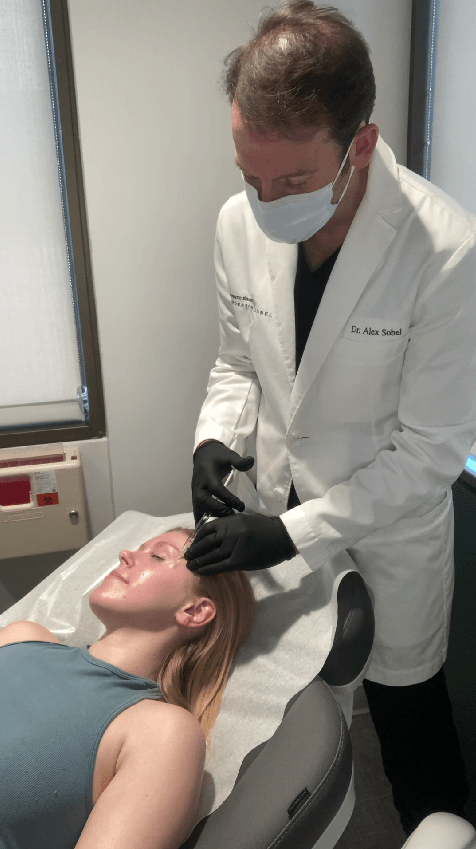
One of the things I find most rewarding about teaching facial surgery and anatomy is that the face is truly an extraordinary feat of biological engineering. Think about it: your sensory organs, the muscles that create your expressions, and various openings for breathing and eating are all packed into a relatively small area. Yet somehow, each functions independently without interfering with the others.
Understanding these delicate but important anatomical boundaries allows me to place fillers very close to sensitive areas without crossing into territory that could cause problems. This knowledge significantly reduces the risk of complications.
My Approach
At the end of the day, approaching filler placement with a deep understanding of anatomy and physiology—combined with careful technique—leads to results that look optimal, beautifully natural, and leave patients genuinely satisfied. This level of precision and artistry is exactly why I prefer to perform these treatments myself. They’re engaging, rewarding, and honestly, quite fun.
Learn More About Dermal Fillers
- Juvéderm®
- Juvéderm VOLLURE™
- Juvéderm VOLUMA™
- Juvéderm VOLBELLA™
- Juvéderm Volux™
- BELOTERO BALANCE®
- Radiesse®
About Dr. Alex Sobel

Dr. Alexander W. Sobel is a triple board-certified cosmetic surgeon serving patients in Bellevue, Seattle, Kirkland, Redmond, and throughout the Pacific Northwest. With certifications in general cosmetic surgery, cosmetic facial surgery, and Otolaryngology, Dr. Sobel brings a depth of anatomical knowledge and surgical expertise to every procedure he performs.
As Past President of the American Board of Cosmetic Surgery and recipient of the prestigious William K. Miles, M.D. Award for achieving the highest score on the cosmetic surgery board certification exam, Dr. Sobel is recognized nationally for his surgical skill and dedication to patient safety. He has trained other cosmetic surgeons as a fellowship director, lectured at national academy meetings, and published research on advanced filler techniques in The American Journal of Cosmetic Surgery.
Dr. Sobel’s approach combines technical precision with a genuine commitment to understanding each patient’s unique goals. He personally performs all injectable treatments at Anderson Sobel Cosmetic Surgery, ensuring that the same expert who understands facial anatomy at the deepest level is the one guiding your aesthetic journey.
To schedule a complimentary consultation with Dr. Sobel at his Bellevue practice, call (425) 453-9060 or contact us online.